
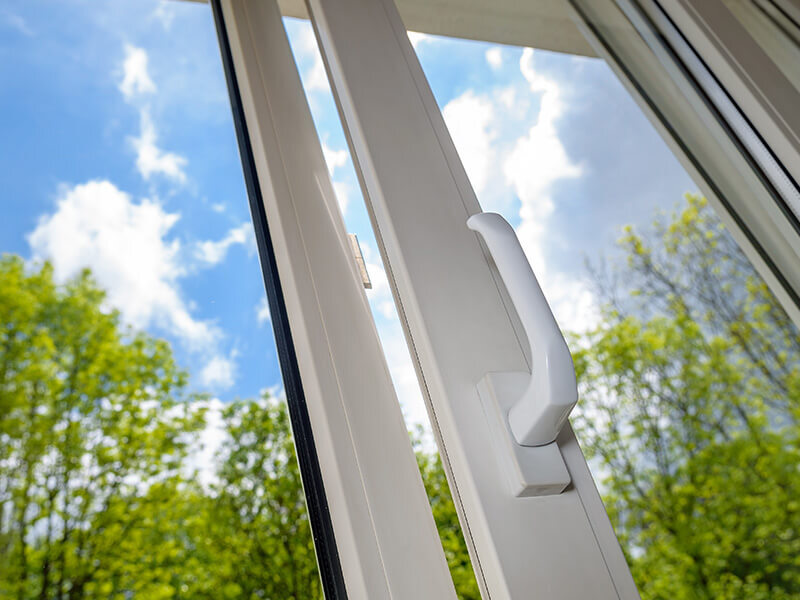
In this guide, we`ll explore what makes a window energy-efficient, the key features to look for, and how to evaluate your options so you can make smart, cost-saving decisions for your home.
1. Why Energy-Efficient Windows Matter
Energy-efficient windows help regulate indoor temperatures by minimizing heat loss in the winter and reducing heat gain in the summer. This reduces your reliance on heating and cooling systems, which translates into:
- Lower utility bills
- Improved comfort
- Reduced carbon footprint
- Increased property value
For both new homes and renovations, energy-efficient windows are a smart long-term investment that pays for itself over time.
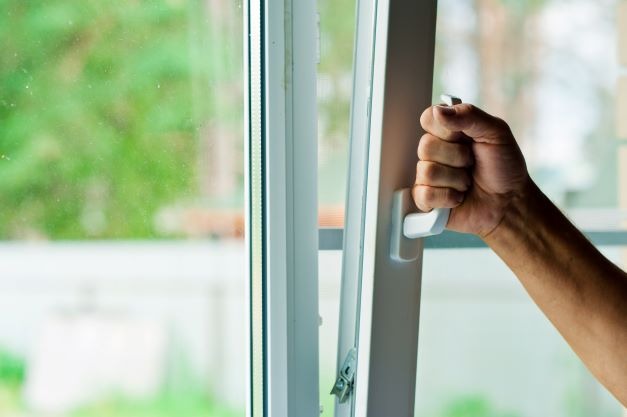
2. Key Features of Energy-Efficient Windows
Understanding the technology behind modern windows can help you choose the right product. Here`s what to look for:
1. Double or Triple Glazing
- Double-glazed windows have two panes of glass separated by an insulating spacer.
- Triple-glazed windows add a third pane, offering even better thermal and sound insulation.
2. Low-E (Low-Emissivity) Coatings
Low-E coatings are ultra-thin metallic layers applied to the glass surface. They reflect infrared (heat) energy while allowing visible light to pass through.
- In winter, Low-E coatings reflect indoor heat back into the room.
- In summer, they reflect outdoor heat away, keeping interiors cooler.
This coating significantly improves thermal efficiency without compromising natural light.
3. Argon or Krypton Gas Fills
The space between window panes is often filled with argon or krypton gas instead of regular air. These gases are denser than air and conduct less heat.
- Argon is common and cost-effective.
- Krypton provides higher performance but comes at a higher cost—ideal for narrow gaps like in triple-pane windows.
4. Insulated Window Frames
The frame itself plays a role in overall energy efficiency. Look for:
- Vinyl or fiberglass frames with insulated cores
- Wood-clad frames that combine insulation and aesthetics
- Thermally broken aluminum frames, where internal insulation separates the conductive metal parts
Well-insulated frames reduce thermal bridging (the direct path for heat to escape or enter), maintaining the window`s energy performance.

3. How to Read Energy Ratings
When shopping for windows, look for energy certification labels such as ENERGY STAR® or NFRC (National Fenestration Rating Council) ratings. Here`s what they mean:
- U-Factor (U-Value):
Measures how well a window prevents heat from escaping. Lower = better insulation.
○ Ideal: 0.25–0.35 or lower for colder climates. - Solar Heat Gain Coefficient (SHGC):
Measures how much solar radiation passes through. Lower = less heat gain.
○ Ideal: 0.25–0.40 for hot climates, 0.40–0.60 for colder climates. - Visible Transmittance (VT):
Indicates how much visible light passes through the window. Higher = brighter interiors.
○ Typical range: 0.30–0.70 - Air Leakage (AL):
Measures the amount of air that enters through the window. Lower = tighter seal.
○ Ideal: ≤ 0.30
Choose ratings that match your region`s climate and your home`s specific needs.
4. Benefits Beyond Savings
Energy-efficient windows offer more than just reduced utility bills:
- Consistent indoor temperature: No more cold drafts near windows or overheated rooms in summer.
- UV protection: Many Low-E coatings also block harmful UV rays, protecting furniture, flooring, and fabrics from fading.
- Noise reduction: Multi-pane glass and gas fills also help block external noise, creating a quieter indoor environment.
- Sustainability: Using less energy reduces demand on power plants and lowers greenhouse gas emissions—great for the planet and future generations.
5. When Should You Upgrade?
Consider replacing your windows if you notice:
- Drafts or temperature fluctuations near windows
- Condensation or fog between panes (seal failure)
- High energy bills
- Outdated single-pane windows
- Windows that are difficult to open or close
Even upgrading a few key windows—like large living room or bedroom windows—can have a significant impact.
6. Tips for Making the Most of Your Investment
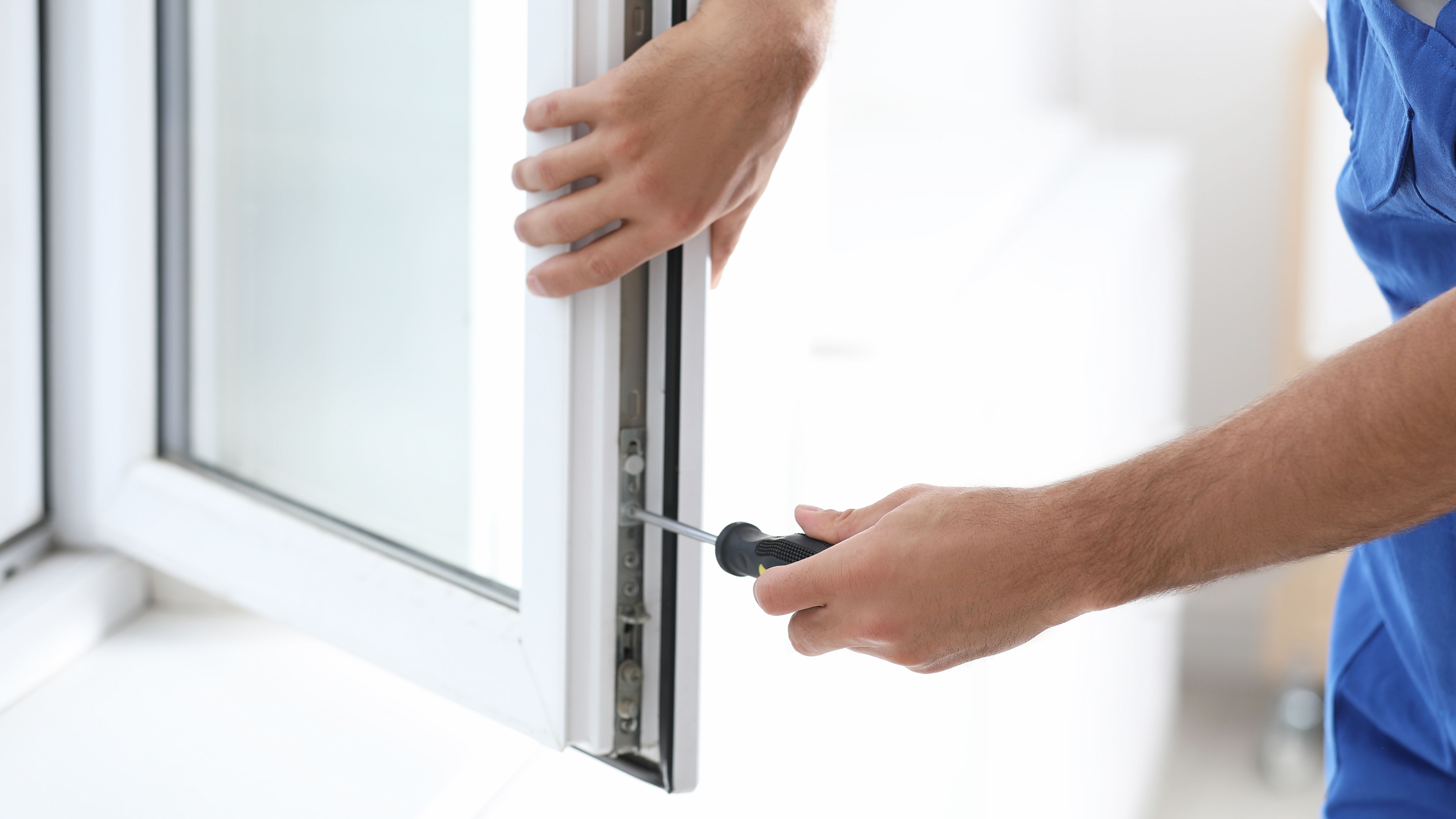
- Choose the right installer: Even the best windows won`t perform well if they`re poorly installed. Hire certified professionals.
- Consider climate-specific windows: Some windows are optimized for northern (cold), southern (hot), or mixed climates.
- Combine upgrades: Improve results by upgrading insulation, adding energy-efficient doors, or using smart blinds.
- Apply for rebates: Many governments or utility companies offer incentives for installing ENERGY STAR® windows.
Conclusion
Upgrading to energy-efficient windows is one of the smartest home improvements you can make. With the right glazing, gas fills, coatings, and frames, you`ll stay warm in winter, cool in summer, and save money all year long—while reducing your carbon footprint.
Whether you`re building a new home or modernizing an old one, choosing high-performance windows is an investment in comfort, sustainability, and long-term value.
Looking to upgrade your home with energy-efficient windows? Contact ALP for expert consultation and installation services designed to help you stay cozy and save.