

Before you budget for new windows, check whether a simple adjustment, tune-up, or seal refresh could fix the problem. Most comfort and performance issues—drafts, sticking sashes, rattles—come from misalignment, worn gaskets, or lack of maintenance, not from a failed window. Use this guide to diagnose, adjust, and save.
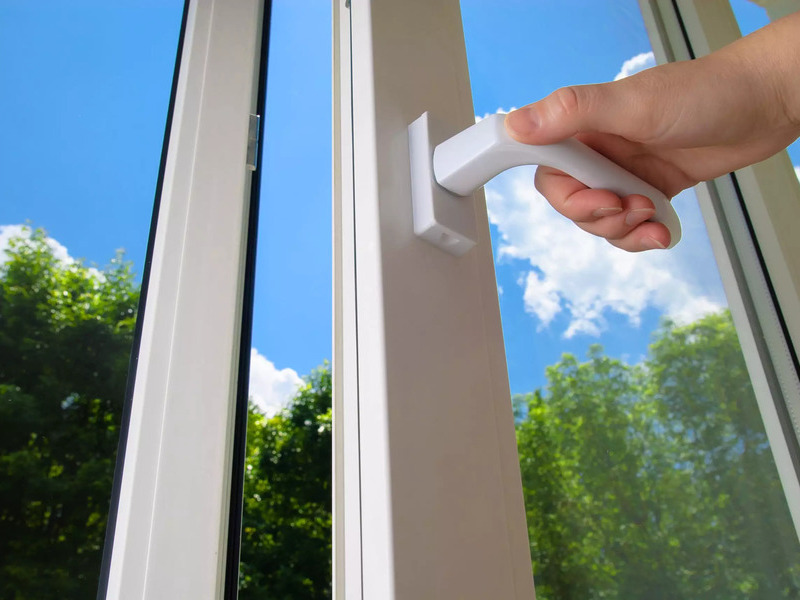
Quick 2-minute checks
- Paper test: Close the window on a sheet of paper. If it pulls out easily, compression
- Incense/smoke test: On a breezy day, pass smoke around the frame. Smoke movement = an air leak.
- Flashlight test (at night): Light from outdoors shining through = gaps.
- Weep holes: Drip channels at the bottom should be clear; flush with water.

12 signs you need adjustment—not replacement
- Drafts around the sash
Why: Compression too loose, gaskets tired, frame not square.
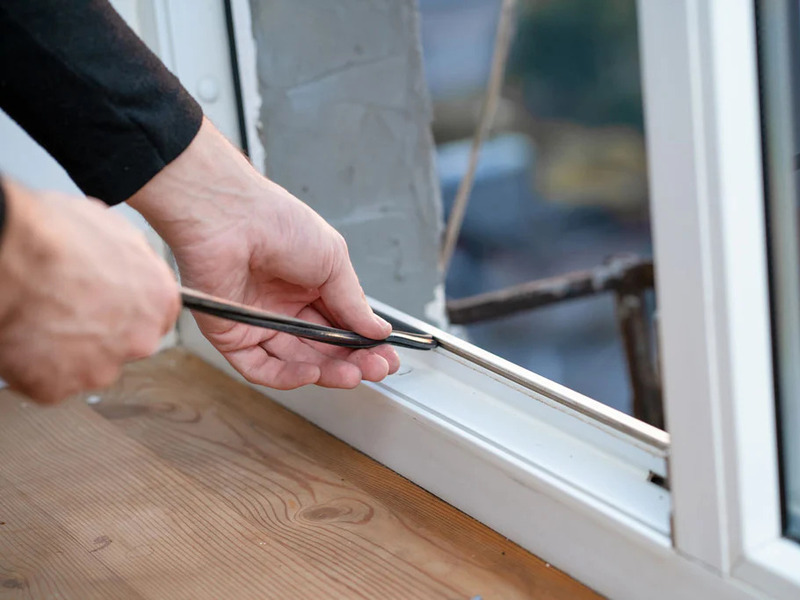
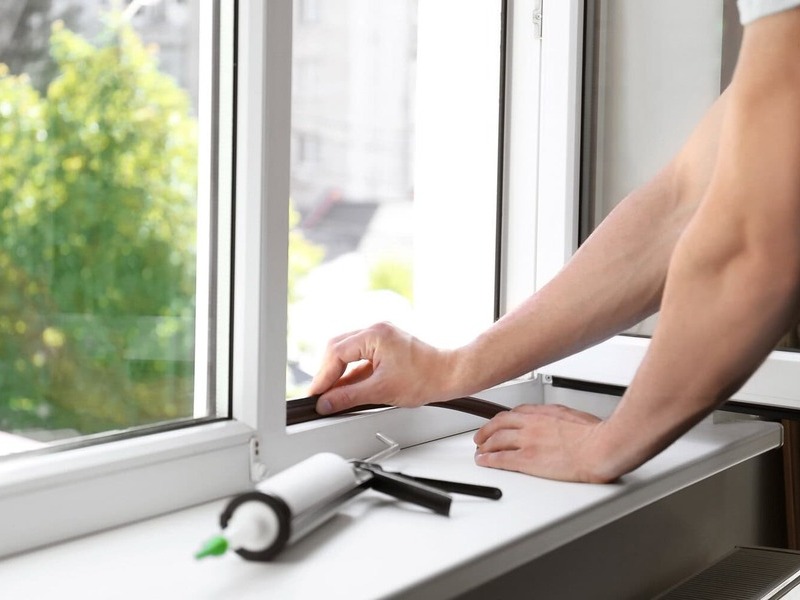
Fix: Adjust latch/keep to tighten pull-in; rotate compression cams (on tilt-and-turn); replace weatherstripping; re-caulk the perimeter. - Window rattles in wind
Why: Loose hardware or insufficient sash compression.
Fix: Tighten hinge/handle screws; adjust striker plates; add or replace foam/rubber seals. - Hard to open or close
Why: Dirt in tracks, dry hardware, misaligned sash.
Fix: Clean tracks and pivots; use silicone spray (not oil); adjust hinges/rollers; check for proud screws rubbing the frame. - Sash rubs the frame (scrape marks)
Why: Settling or hinge sag.
Fix (casement/tilt-turn): Use hinge screws/hex adjusters to move sash up/down or left/right; add packers behind hinges if needed. - Lock won’t engage unless you force it
Why: Misaligned keeps/strikers.
Fix: Loosen striker plate, shift a few millimeters toward/away from the seal, retighten; verify multi-point lock pins seat evenly. - Uneven gaps—wide at top, tight at bottom (or vice versa)
Why: Frame racked, sash out of square.
Fix: Re-shim hinges; micro-adjust tilt-and-turn hardware (height/lateral/compression); confirm frame fixings haven’t loosened. - Condensation on interior glass (not between panes)
Why: Cold edge, low compression, high indoor humidity.
Fix: Improve seal compression; add/replace gaskets; increase ventilation or use trickle vents.
If condensation is between panes, the IGU seal failed—replacement of the glass unit, not the whole window, is typically needed. - Water after rain on the sill/track
Why: Blocked weep holes or poor seal contact.
Fix: Clear weeps; verify exterior caulk; improve compression via latch/hinge tweaks. - More street noise than before
Why: Gasket shrinkage or latch not pulling tight.
Fix: Renew seals (look for EPDM/TPE profiles); tighten multi-point locking; consider adding a slim secondary interior pane if needed. - Bugs/dust getting in
Why: Micro-gaps around frame or torn seals.
Fix: Replace worn weatherstrips; re-caulk; adjust sash pull-in. - Blinds/curtains move when the window is “closed”
Why: Pressure changes from air leakage.
Fix: Same as drafts—compression adjustment + weatherstrip refresh. - Energy bills creeping up with no other changes
Why: Gradual loss of airtightness.
Fix: Full tune-up: clean/lube, adjust hinges/locks, replace seals, re-caulk. Often restores performance for years.

When adjustment isn’t enough (rare but real)
- Fogging between panes → replace the insulating glass unit (IGU).
- Warped/rotted frames or cracked sash → structural repair or replacement.
- Severely damaged hardware with no replacements available.

Pro tips for a lasting tune-up
- Aim for firm handle close with slight resistance—too loose = leaks; too tight = wear.
- Replace seals in continuous runs; avoid short splices at corners.
- Always finish with a perimeter air-seal check (paper/smoke test).
The save-first takeaway
Most window issues are adjustment and maintenance, not a death sentence for the unit. A 60–90 minute tune-up can restore comfort, cut drafts, quiet noise, and lower bills—without the cost and waste of full replacement.