

Metric that matters: For façades, OITC (Outdoor-Indoor Transmission Class) tells the truth about street noise. STC (Sound Transmission Class) is useful, but it weights mid/high frequencies (speech/TV) and is better for interior partitions.
Winning recipe:
Laminated, multi-pane IGU (insulating glass unit) + asymmetric glass thicknesses + deep airgap + airtight, thermally broken frames + professional installation with acoustic sealants.
Target:For homes on busy roads, aim for OITC 35+. That’s the territory where bedrooms start to feel truly calm.
Introduction
Urban living comes with a soundtrack: delivery vans before dawn, scooters at midnight, and a steady underbed of traffic rumble. If your windows face an arterial road, you know the drill — sleep, focus, and comfort all hinge on how well your façade filters noise.
This guide shows you how to choose quiet windows using the ratings that actually reflect real street noise, and which construction choices (glass makeups, airgaps, frames, seals, and installation) make the biggest difference.
Callout: Decibels are logarithmic. Roughly 10 dB less is perceived as about half as loud. Chasing a handful of dB is worth it.
OITC vs STC — What They Mean (and Why You Should Care)
Frequency Ranges
- OITC (Outdoor-Indoor Transmission Class): Evaluates sound transmission ~80–4000 Hz and weights low frequencies typical of traffic, aircraft, and construction. It’s designed explicitly for exterior → interior performance.
- STC (Sound Transmission Class): Evaluates ~125–4000 Hz, emphasizing mid/high frequencies such as speech and television. Great for interior walls/doors, less representative of street noise.
Why OITC Is Often Lower (Numerically)
Low frequencies carry more energy and are harder to block. The same window unit will typically show a lower OITC than STC. That doesn’t mean it’s “worse”—it means OITC is more realistic for outdoor noise.
The Builds That Work (Window Technologies That Cut Noise)
Multi-Pane Glazing (Double vs Triple)
More panes add mass and create airgaps — both reduce sound transmission. But it’s not just “more glass = better”:
- A generous airgap (e.g., 16–20 mm) between panes often yields more benefit than simply adding a third pane with a tiny gap.
- Triple glazing helps when designed intelligently (see asymmetry below), but a mediocre triple can underperform a well-specified double.
Takeaway:Don’t chase panes; chase mass + airgap quality.
Laminated & Acoustic Glass
A laminated lite sandwiches a PVB (or acoustic PVB) interlayer between glass sheets. That viscoelastic core damps vibration, which is exactly what you need against low- frequency rumble.
- Expect a noticeable OITC lift versus the same unit with monolithic glass.
- “Acoustic” PVBs are tuned for higher damping—great on busy streets or near rail/flight paths.
Takeaway: If there’s one upgrade for traffic noise, it’s lamination.
Asymmetric Makeups
Windows can resonate at certain frequencies; symmetrical builds make that worse. Asymmetry (different glass thicknesses) spreads and suppresses resonance peaks.
- Example spec that works: 4 mm glass | 16–20 mm airgap | 6.8 mm laminated.
- The heavier laminated lite goes street-side to absorb the brunt of the rumble.
Takeaway:Mix thicknesses to break up problem frequencies.
Frames & Seals
Great glass won’t save a leaky frame. Prioritize:
- Thermally broken aluminum, fiberglass, or quality PVC frames (stiff, low thermal bridging, good mass).
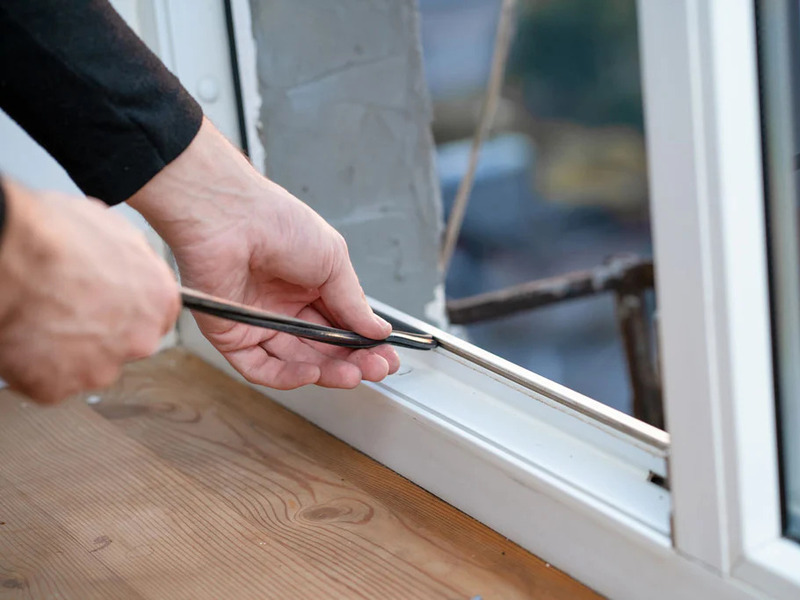
- Continuous compression gaskets around the sash.
- Multi-point locks to pull the sash evenly against seals.
- Low air-infiltration ratings (tighter = quieter).
Takeaway:Airtightness is acoustic performance. Tiny gaps erase big gains.
Secondary Glazing / Inserts
For extreme façades, add a secondary interior panel (fixed or operable) 100–150 mm behind the primary window:
- Creates a deep, decoupled air cavity.
- Can add ~10–15 dB reduction when executed well.
- Magnetic or track-mounted inserts are retrofit-friendly for rentals or historic buildings.
Takeaway: When in doubt, decouple. A second inner layer is a heavy hitter.
Bonus: Energy & Comfort
Units with a lower U-factor (better thermal insulation) tend to be tighter, which incidentally reduces noise paths. You’ll get quieter rooms and lower bills — a double win.

Typical Ratings & What They Block (Comparison Table)
When you’re comparing options, don’t chase a single “magic number.” Look at both STC and OITC, and make sure you’re reading unit ratings (glass + frame + seals + operability), not glass-only lab datapoints. Here’s a practical benchmark:
| Window Type | Avg STC | Avg OITC | What It’s Best At Blocking |
|---|---|---|---|
| Single Pane | 26–28 | 21–22 | Minimal attenuation; only light ambient noise |
| Double Pane | 28–32 | 22–26 | Moderate street noise; decent for quieter side façades |
| Triple Pane | 33-38 | 26-30 | Strong traffic & general outdoor noise (if gaps are generous) |
| Laminated IGU | 35–42 | 30–35 | Low-frequency rumble: traffic, buses, aircraft |
| Acoustic Glass | 40+ | 35+ | Highest broad-spectrum attenuation across lows + mids |
ALP Recommendations (Service Block)
You don’t need to guess. Here’s how we spec windows for loud streets—tiered by performance and budget.
Good
Double IGU with laminated outer lite
- Spec idea: 4 mm laminated (street side) | 16 mm airgap | 4 mm inner
- Target: OITC ~30–33
- Use when: Secondary streets; living spaces where absolute quiet isn’t critical.
Better
Asymmetric laminated double with deep airgap
- Spec idea: 6.8 mm laminated (outer) | 16–20 mm airgap | 4 mm inner
- Asymmetry breaks resonance; lamination damps low-frequency rumble.
- Target: OITC 33–35
- Use when: Bedrooms/home offices on busier corridors.
Best
Acoustic laminated + asymmetric build + pro acoustic sealing
- Spec idea: 8.8 mm acoustic laminated (outer) | 18–20 mm airgap | 6 mm inner (or laminated inner where needed)
- Thermally broken frames, multi-point locks, continuous compression gaskets.
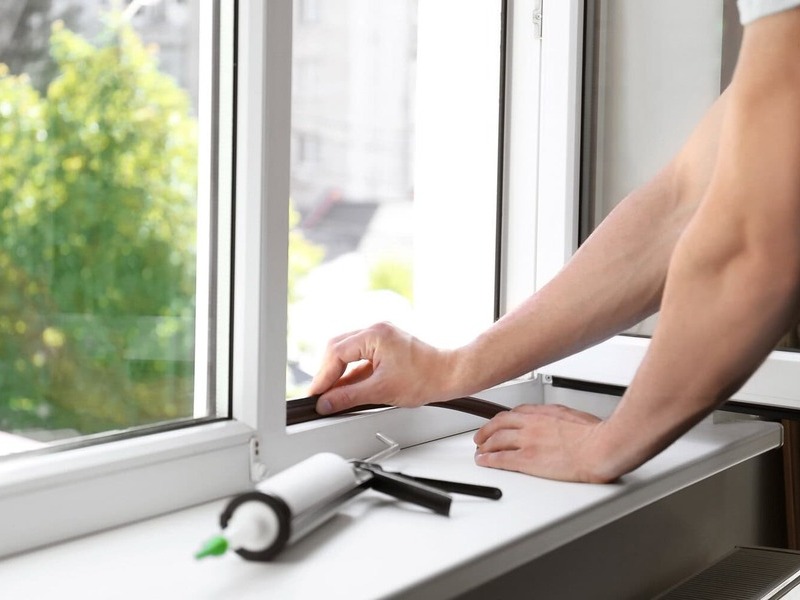
- Install: Backer rod + acoustic/neutral-cure sealant around the full perimeter; verified compression.
- Target: OITC 35–38+
- Use when: Arterial roads, near tram/bus routes, light flight paths.
Extreme
Add secondary interior panel (retrofit insert)
- Fixed or operable magnetic/track insert placed 100–150 mm inside the primary window to create a deep, decoupled cavity.
- Typical real-world boost: +10–15 dB depending on the primary unit.
- Use when:Bedrooms directly on main roads; heritage façades; rental-friendly upgrades.