
Heat Loss & Thermal Performance
Armenia’s climate is contrasty, not extreme: in August, highs typically reach +35…+40 °C; in winter, lowland temperatures sit below freezing, and mountain regions in January can dip to about –15 °C. That puts windows on the frontline for both heat retention in winter and overheating control in summer—so frame conductivity, glazing, and airtightness matter.
Why PVC leads
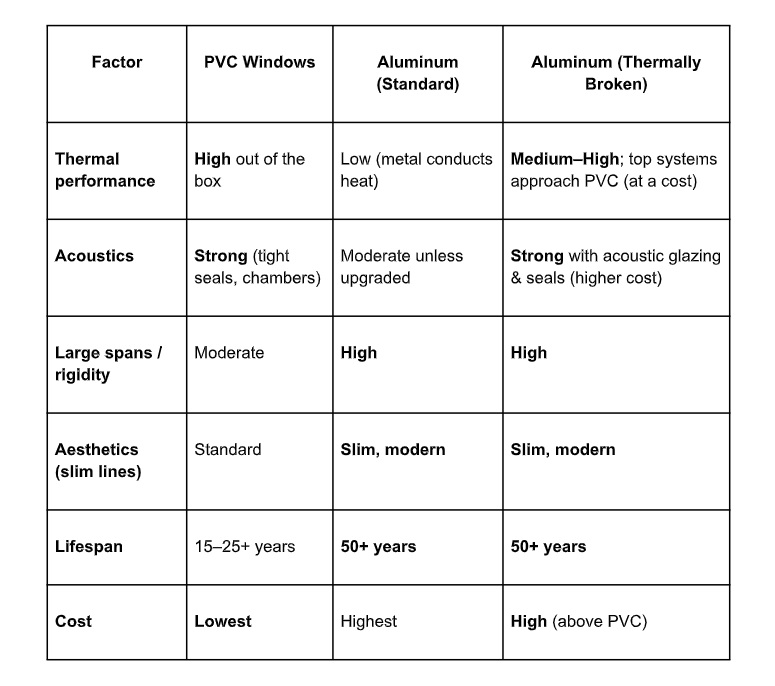
- Low thermal conductivity: PVC frames transmit far less heat than metal.
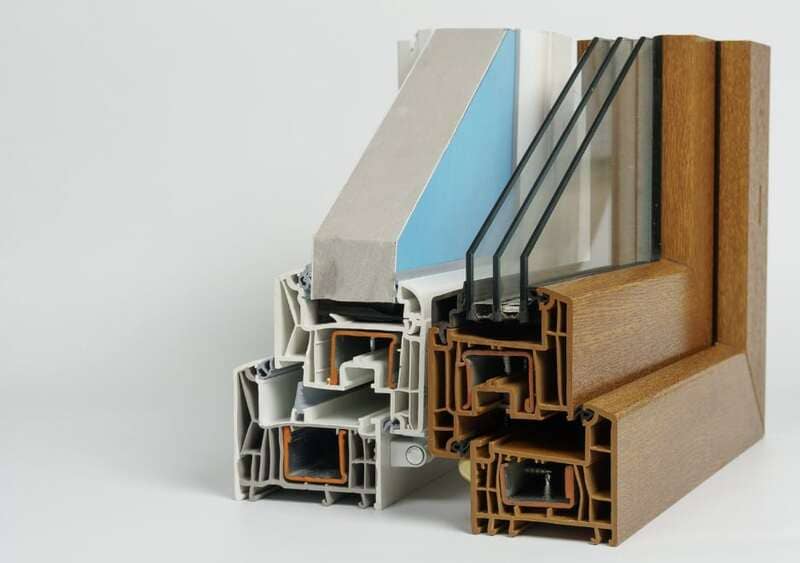
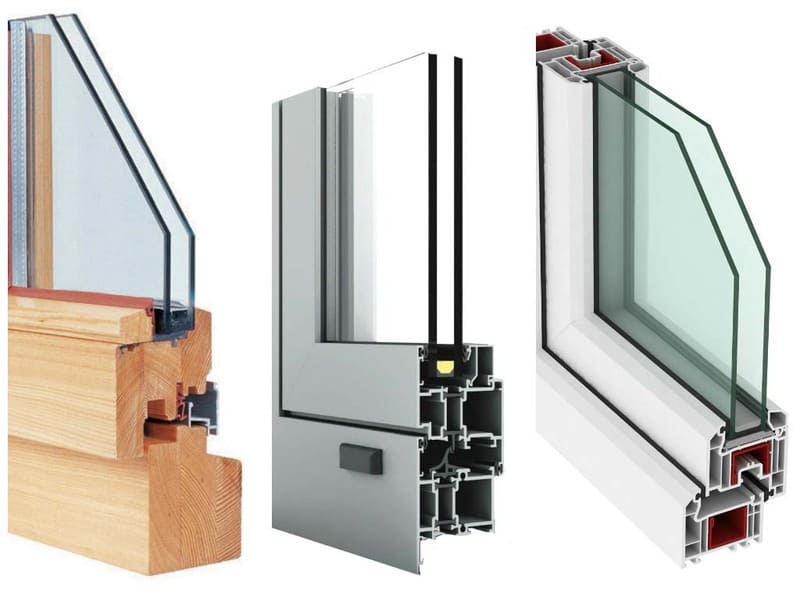
- Multi-chamber profiles: Internal air chambers buffer temperature, reducing cold drafts and condensation risk.
- Consistent performance: Even mainstream PVC systems typically achieve lower U-values than standard aluminum frames.
When aluminum can catch up
- Thermal breaks: Modern aluminum systems with polyamide thermal breaks interrupt heat flow. With the right glazing and gaskets, they can approach PVC performance.
- But… matching high-performing PVC usually means premium, quasi-passive aluminum systems — excellent, but significantly more expensive.
Bottom line: If your priority is comfortable winters and manageable summers without overspending, PVC wins for the typical Armenian home.

Acoustic Insulation
Cities and mixed-use areas are getting noisier. Good windows should tame that soundtrack.
Why PVC is generally quieter
- Tighter seal geometry: PVC systems often feature robust compression gaskets around the sash.
- Multi-chamber damping: Frame structure plus gasketing helps absorb vibration and reduce air leakage, cutting exterior noise.
- Real-world comfort: On street-facing façades, well-specified PVC with laminated double or triple glazing will noticeably reduce traffic rumble versus basic—and even many thermally broken—aluminum units.
Aluminum can be quiet—if you spec it right
- Strong results are possible with laminated (“acoustic”) glazing, asymmetric glass thicknesses with generous 16–20 mm airgaps, and high-quality seals + multi-point locks.
- Expect higher cost to reach the same perceived quiet as a thoughtfully built PVC unit.
Budget & Long-Term Value
Window decisions blend numbers and narrative—how long you’ll stay, how you use the space, and your aesthetic goals.
Cost reality
- PVC is much cheaper. In many like-for-like profiles, PVC comes in roughly 70–200% less than comparable aluminum systems.
- That delta across a whole home is major savings you can redirect into better glazing (laminated/triple), screens, or exterior shading.
Lifespan & ROI
- Aluminum: commonly 50+ years, excellent structural stability for large spans (panoramas, sliders, façades).
- PVC: typically 15–25+ years (often longer with care)—more than adequate for mainstream residential cycles.
- Given Armenia’s focus on cost-effective comfort, a PVC frame + double/triple glazing hits the sweet spot of thermal + acoustic performance at a price that pays back in comfort and utility savings.
Bottom line: If you’re optimizing comfort per budget, choose PVC. If you’re building bold, large-opening modern architecture, choose thermally broken aluminum—and plan for the premium.
Side-by-Side Snapshot
What to Choose — By Scenario
- Typical apartments & homes (Yerevan, Gyumri, Vanadzor): PVC with double or triple glazing; on street façades, use a laminated outer lite for noise. Best comfort-to-cost ratio.
- Busy roads / near transit: PVC with laminated, asymmetric glazing and 16–20 mm airgaps. If you prefer the aluminum look, budget for thermally broken frames + acoustic glazing to keep comfort.
- Large openings / minimal sightlines / modern villas: Thermally broken aluminum for slim profiles, rigidity, and longevity—paired with proper glazing and seals to protect thermal/acoustic performance.
- Durability as a primary goal (low maintenance, harsh exposure): Thermally broken aluminum shines for big sliders, façades, and high sun/wind exposure.
Spec Tips (Don’t Overpay for Noise or Heat)
- Glazing beats pane count: prioritize laminated glass, asymmetric thicknesses, and 16–20 mm airgaps.
- Seal everything: multi-point locks, continuous gaskets, and low air-infiltration ratings drive both warmth and quiet.
- Installation matters: require backer rod + neutral/acoustic sealant around the perimeter; poor shimming = micro-gaps.
- Think summer too: exterior zip blinds/awnings and solar-control glazing help manage Yerevan’s hot months without sacrificing winter comfort.
Verdict
- Choose PVC for warm, quiet, affordable comfort — ideal for most Armenian homes.
- Choose thermally broken aluminum for slim, durable frames and large spans — and be ready to invest to keep insulation and acoustics high.