

 Installation, maintenance, and anti-condensation life hacks - everything you need for warm,
bright, weatherproof
get-togethers.
Why a Transparent Thermal Dome?
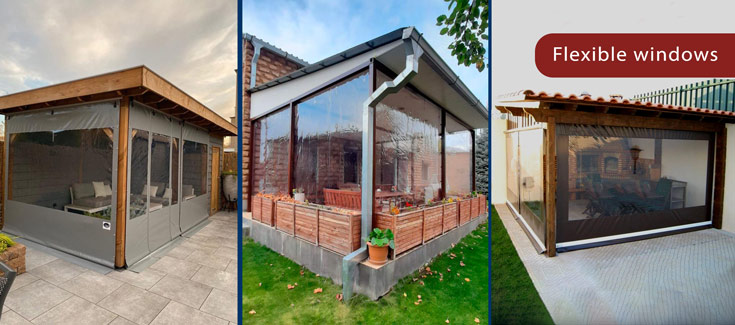
Transparent thermal domes (clear PVC membranes or polycarbonate panel systems) create a light-filled, insulated envelope that traps heat while blocking wind and precipitation. Done right, they keep interiors noticeably warmer, protect furnishings, and stretch your entertaining calendar well into winter.
Plan & Install: Do It Once, Do It Right
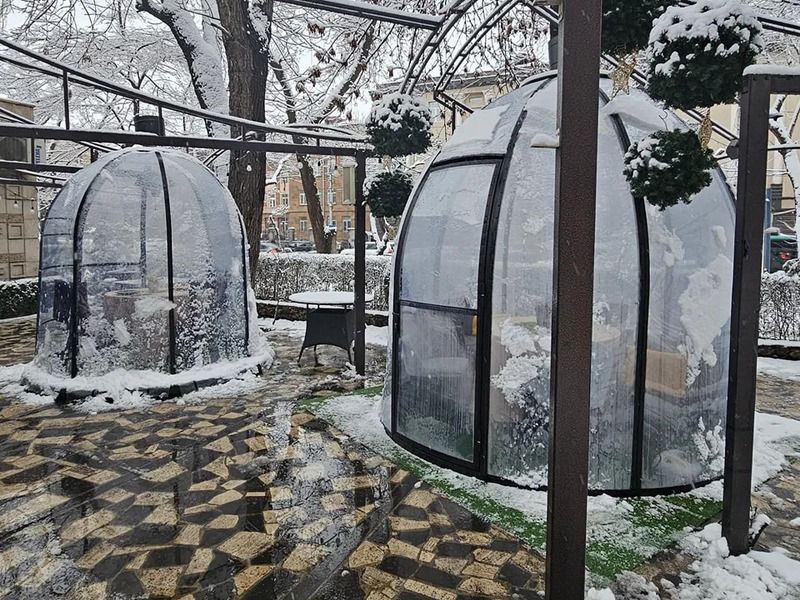
Site & Structure
- Base: Level, well-drained surface (pavers, deck, slab). Add rubber pads or sleepers to reduce thermal bridging and slip.
- Anchoring: Use ground stakes, concrete anchors, or ballast weights sized for your wind/snow zone. Place at all structural nodes - don’t skip corners.
- Frame: Corrosion-resistant aluminum/galvanized steel or reinforced fiberglass poles. Verify snow load and wind rating from the supplier.
Envelope & Sealing
- Cover type:
- Soft dome: marine-grade clear PVC (UV-stabilized, cold-flex rated).
- Rigid dome: polycarbonate panels (solid or multiwall) with UV cap layer.
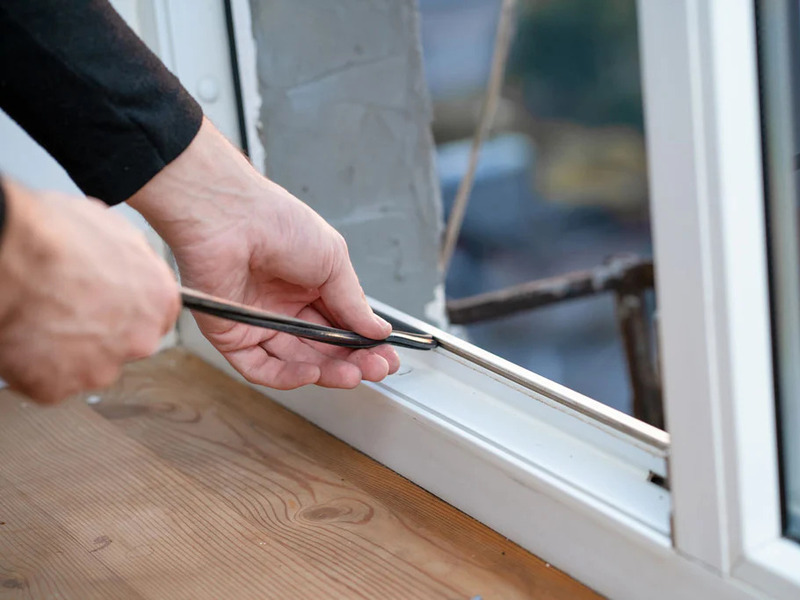
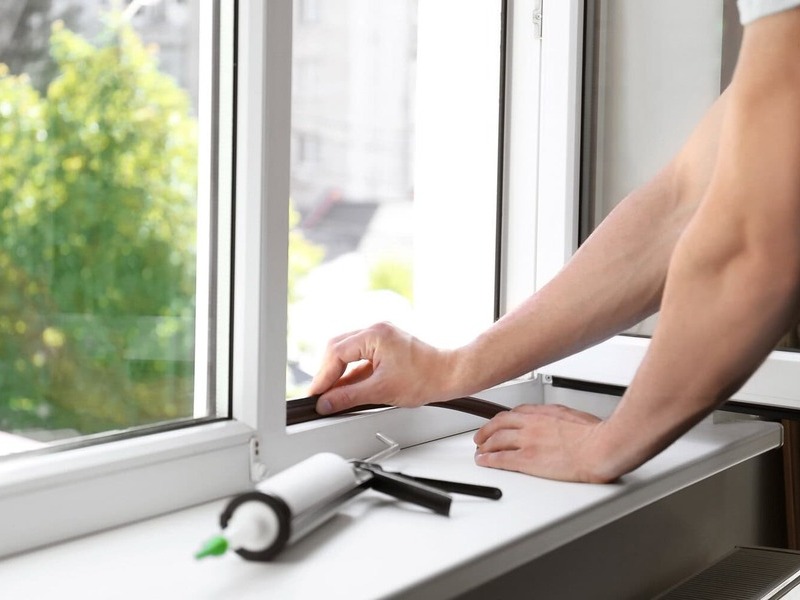
- Airtightness: Fit covers/panels with silicone gaskets, EPDM tapes, and neutral-cure sealant at joints and penetrations.
- Access & safety: Low-threshold zip/hinged doors, anti-slip mats, and interior weep holes for heaters/lights.
Ventilation (critical, even in winter)
- Cross-vent: At least two vents at different heights (high/low) for stack effect.
- Accessories: Trickle vents, solar or 12V exhaust fans, and a closable roof vent for rapid moisture purge.
Heating & Comfort Strategy
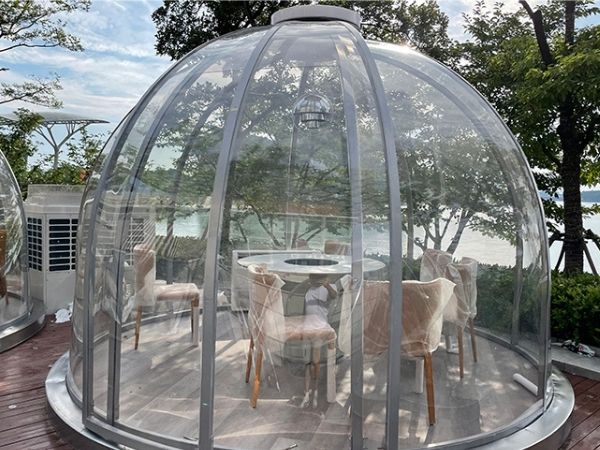
- Primary: Infrared (IR) heaters for spot-warmth without overheating air volume.
- Secondary: Compact electric convectors or heat pumps for baseline temperature.
- Floor: Foam underlay + rug to cut conductive heat loss through slabs or decks.
- Shading: On sunny winter days, use the greenhouse effect—close vents briefly to harvest free heat, then vent to control humidity.
Maintenance: Keep It Clear, Tight, and Safe

Routine Care (all domes)
- Clean monthly: Mild soap + lukewarm water, soft microfiber. No abrasives/solvents.
- Inspect seams & fasteners: Tears, lifted tapes, loose bolts—repair immediately to prevent creep.
- UV protection: In high-sun exposure, apply UV-protective spray (for PVC) per manufacturer guidance; store spare covers in shade.
Cold-Weather Handling (PVC)
- Below 0 °C: Avoid flexing/rolling if the PVC feels brittle. Warm slightly (ambient or gentle heater at distance) before manipulation.
- Snow management: Use a soft-edge broom from outside; never stab/poke the membrane.
Polycarbonate Specifics
- Panel care:
Wash like glass; keep weep holes and panel channels clear. - Seal care: Re-seal neutral-cure silicone if micro-cracking appears.
Service intervals
- Monthly (winter): Clean sightlines, check vents/door seals, clear snow.
- Quarterly: Re-tension cover, lube zips/hinges (silicone/PTFE), check anchors.
- Annually: Re-seal joints as needed, refresh UV treatment, full fastener audit.
Anti-Condensation Life Hacks (They Work)
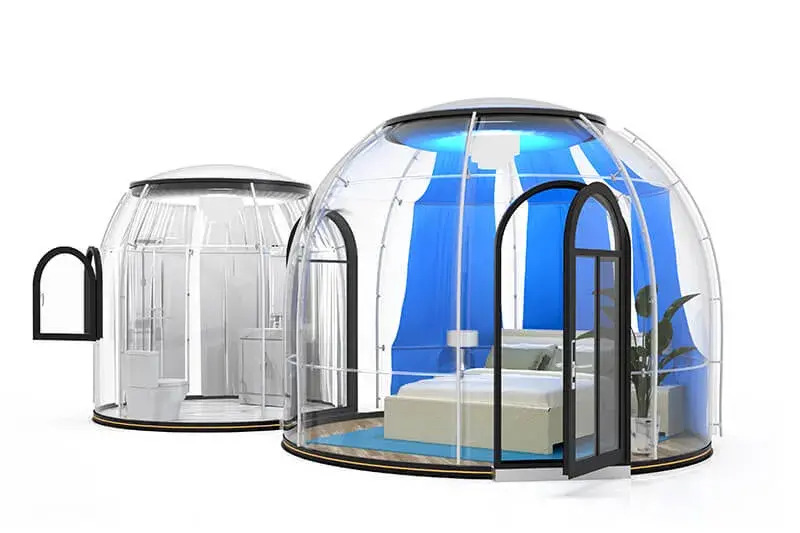
Condensation = warm moist air hitting a cold surface. Solve for moisture + temperature + airflow.
Airflow
- Open high/low vents for 5–10 minutes each hour during crowded gatherings.
- Add solar/12V roof fans to exhaust humid air at the apex.
- Place a silent desk fan to wash interior surfaces with moving air.
Moisture
- Включите компактный осушитель воздуха (по возможности с дренажным шлангом на улицу).
- Run a compact dehumidifier (with drain hose to outside if possible).
- Distribute silica gel packs or desiccant tubs near doors/corners.
- Use covered kettles/cookers; avoid open-pot steaming inside.
Temperature
- Insulate the floor (foam boards + rugs) and any north-facing walls with removable liners.
- Maintain a small base heat to lift interior surface temps a few degrees above dew point.
Rapid-response routine after a party
- 10–15 minutes full vent, fan on.
- Squeegee interior drip points if needed.
- Restore base heat; leave trickle vent overnight.
Safety Notes You Shouldn’t Skip
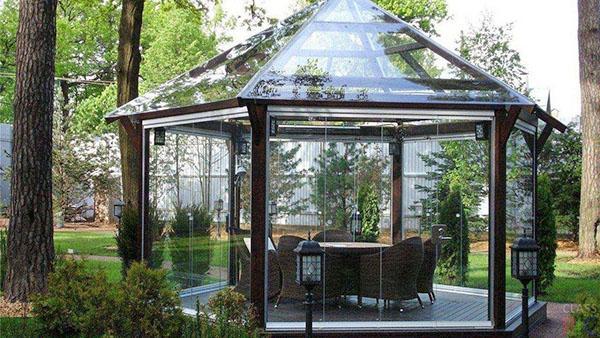
- Clearances: Keep heaters the manufacturer-specified distance from PVC or polycarbonate.
- Electrical: Use outdoor-rated cables/outlets; avoid cords on walk paths.
- CO risk: Combustion devices must be vented—prefer electric/IR in enclosed domes.
- Snow & wind: Respect load ratings; preemptively clear snow, add temporary ballast before forecast storms.
Bottom Line
A transparent thermal dome can turn your terrace into a bright, cozy hub all winter—seal smart, vent often, insulate the floor, and maintain the envelope. Do that, and you’ll host comfortably from the first frost to the last thaw.