


Why PVC Yellows (and what it means)
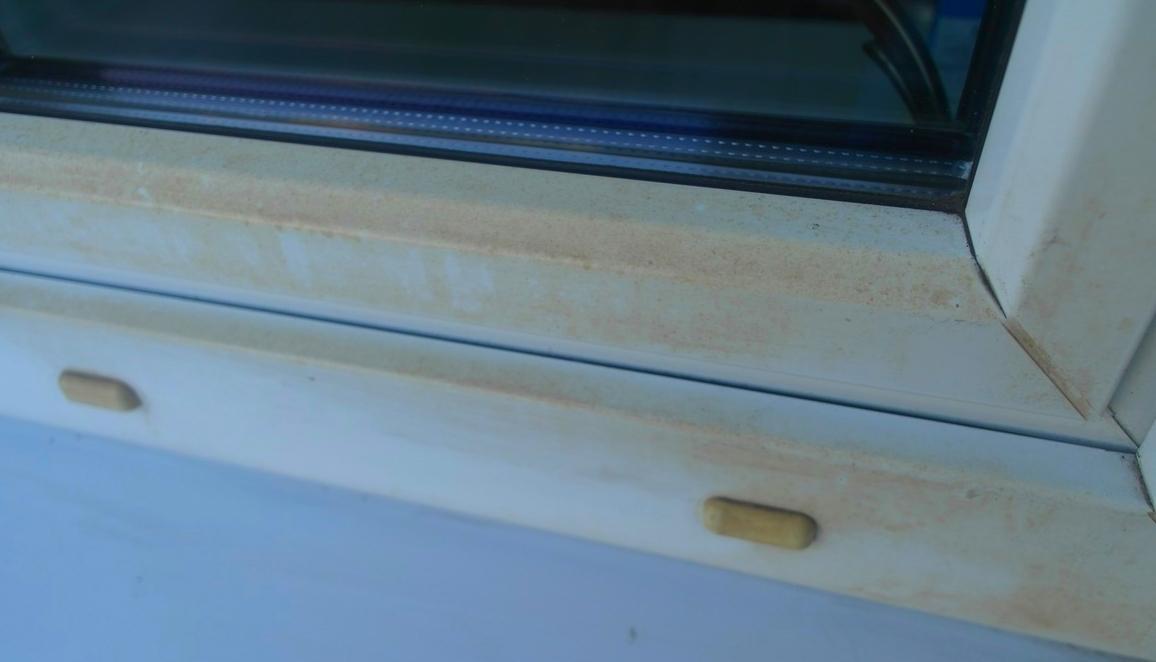
- UV + oxidation degrade the top microlayers, leaving a chalky, gray-yellow film.
- Nicotine/kitchen vapors embed into surface texture.
- Takeaway: Superficial discoloration cleans off; deep, intrinsic yellowing needs film or paint.
Step 1 - Cleaning
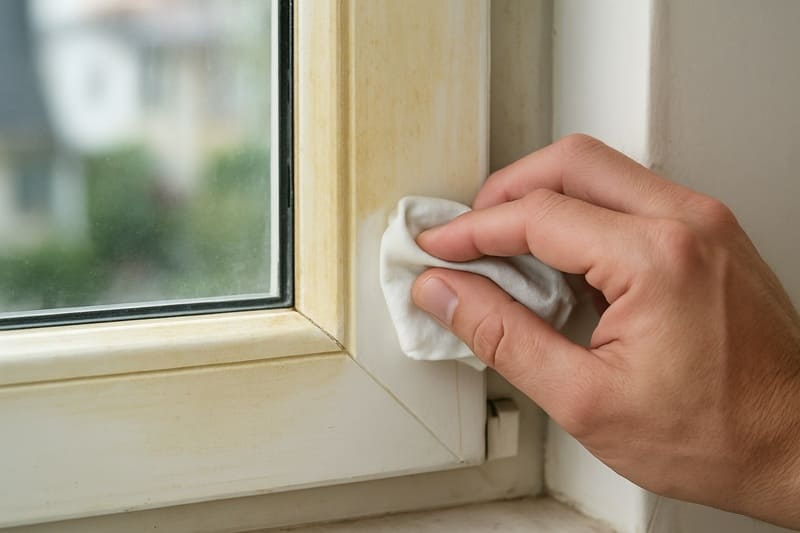
1) Basic wash (grime and film)
- Warm water + a drop of mild dish soap, microfiber cloth, soft brush for corners.
- Rinse and dry with a lint-free cloth.
2)Vinegar solution (light yellowing)
- ~70% warm water + 30% white vinegar in a spray bottle.
- Spray → wait 5–10 min → gently wipe → rinse → dry.
3) Baking-soda paste (stubborn spots)
- 3:1 baking soda:water; light circular motions; rinse thoroughly; dry.
4) PVC/Vinyl restorer (chalky oxidation))
- Only after washing. Spot-test first. Work in small sections and buff as directed.
Preventing re-yellowing: After cleaning, apply a plastic-safe UV protectant (automotive exterior plastic type). It won’t “rejuvenate” PVC, but it slows future yellowing.
the color and smoothness are back - you can stop here. )
Step 2 - Architectural Window Film
When film is the best choice
- You want a quick cosmetic upgrade or a new finish (matte white, frosted, woodgrain) without painting.
- Works best on smooth, flat faces of the frame—not over gaskets or complex profiles.
Prep is everything
- Wash the frame and adjacent glass thoroughly, then degrease (70% isopropyl on microfiber). Any dust/grease = bubbles.
Cutting & placement (wet method)
- Pre-cut 1–2 cm oversize.
- Mist both film and frame with soapy water.
- Align, then squeegee from center outward to push out water/air (wrap the squeegee in cloth to avoid scuffs).
- Leave a hairline gap at the edge so the film doesn’t lift; don’t stretch at corners.
Limitations
- Strong sun/exterior exposure shortens lifespan; edges weather first.
- Clean only with mild products—no solvents or abrasives.

Step 3 - Aerosol Spray Painting
When to paint
- Yellowing is uniform and has penetrated the plastic.
- You want durability and a factory-like look.
Proper prep (80% of success)
- Wash → degrease with a plastic-safe cleaner.
- Light scuff for adhesion: P600 sandpaper or a fine abrasive pad.
- Remove dust with a tack cloth.
Masking
- Mask glass, walls, hardware, seals with painter’s tape + paper/plastic sheeting.
Primer (if required)
- Use a plastic/uPVC primer compatible with your paint system.
Spraying technique
- Shake the aerosol / mix a 2K system per instructions.
- Hold 25–30 cm away; smooth side-to-side passes; start/end off the part.
- Apply several light coats with ~10 min flash-off - don’t flood.
Drying & cure
- Touch-dry in minutes; full hardness in hours (many 2K systems ≈ 24 h before normal use).
- Modern uPVC paints are UV-stable and weather-resistant; with proper prep they last years.
- Maintenance: mild washing only - no harsh solvents.
Risks, Limits, and When Not to Paint
- Very old PVC with deep internal yellowing can telegraph slightly even under paint.
- Strong solvents/aggressive sanding can damage gaskets.
- Dark colors + strong sun = heat buildup. Use uPVC-rated coatings and follow the manufacturer’s color/exposure limits.
Quick Decision Guide
- Light spots? → Clean + UV protectant.
- Spots remain but surface is sound? → Film.
- Uniform, persistent yellowing? → Spray paint.
- Brittle/cracked/warped? → Replace.
Tools & Materials (Checklist)
- Microfiber cloths, soft brush, spray bottles
- Dish soap, white vinegar, baking soda
- Plastic-safe degreaser, PVC/vinyl restorer, UV protectant
- Painter’s tape, masking paper/plastic, drop cloths
- P600 abrasive / fine pads, tack cloths
- Architectural film, wrapped squeegee, sharp utility knife
- uPVC primer (if needed), uPVC paint (aerosol or 2K)
- PPE: gloves, goggles, respirator (for sanding/paint), ventilation
FAQ
Will vinegar damage PVC?
- Not at ~30% vinegar in water with short dwell times—just rinse well.
Can I use a pressure washer?
- Better not. High pressure can force water into seals and etch the surface.
How long does film last outside?
- Depends on brand and UV load. Edges go first—plan periodic trims/replacement.
Best paint type?
- A uPVC-specific exterior paint. For maximum durability, consider 2K coatings.